Run of Show
The 90 Minutes That Decide Your Gala's Number
Most benefit auctions are lost in the program order, not on the bid card. A breakdown of the ninety minutes that decide what your gala raises.
Not the nine months of planning — the ninety minutes between the mission moment and the last live item. I plan those minutes backward from the number you are accountable for, the way I planned everything for twenty-three years in the Army, then stand at the front of the room and call them.
Same content, same run time, different order. It costs nothing and it is the highest-leverage change most galas can make.
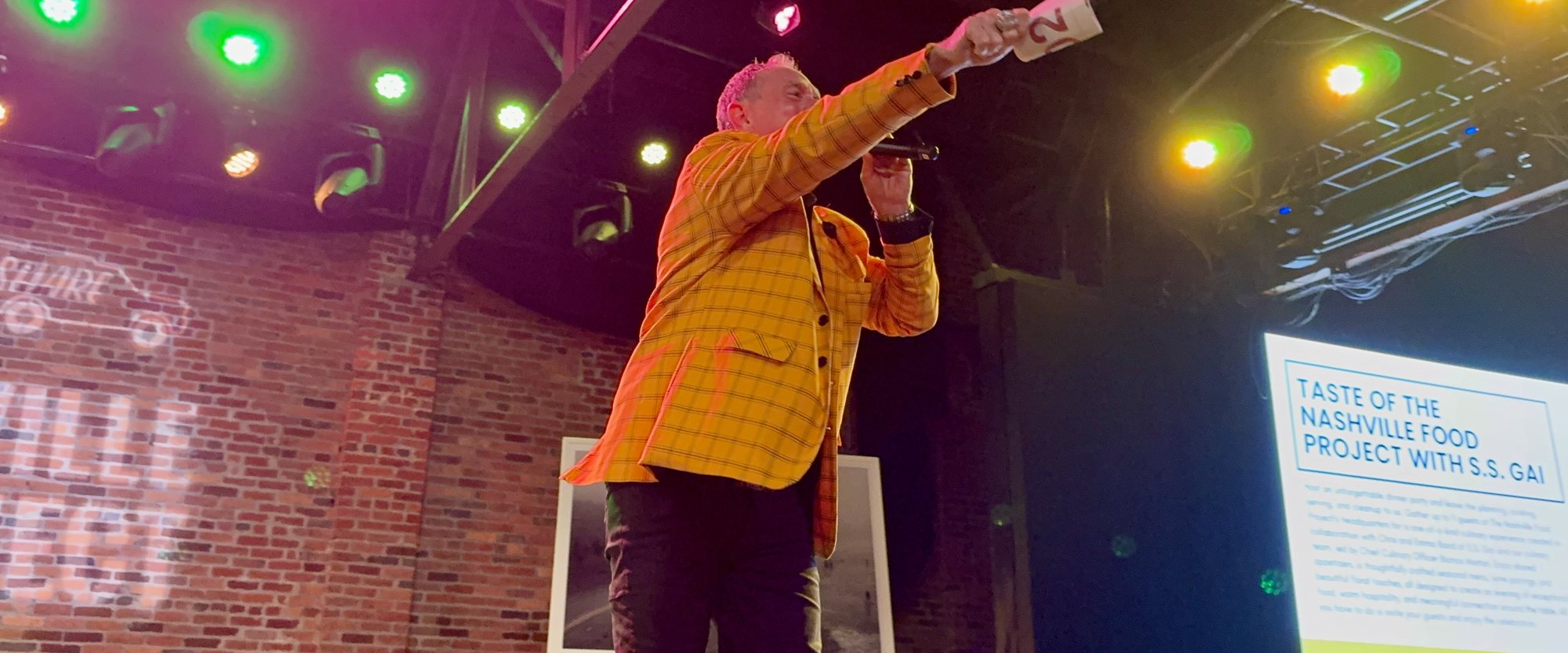
NOURISH 2026 — The Nashville Food Project's annual benefit, Marathon Music Works, Nashville
Three phases. The first two are where the money is made; the third is where I earn the fee.
We set a fund-a-need target, build the ladder, identify who goes first at the top, and rebuild your run of show so every ask lands on the way up or at the peak — never on the way down.
Item selection and packaging for the live auction, table-captain briefings, a rehearsal with your emcee and AV, and a script for the mission moment that ends where the ask begins.
I call the fund-a-need and the live auction. Afterward you get a written post-event report: what was raised where, what worked, and what to change next year.
I do not take a percentage of what your donors give. I do not run your silent auction software, sell sponsorships, or plan the dinner. I do the fundraising segment, and I do it on a flat fee agreed before the event.
Development directors and gala chairs who are personally accountable for a number. I have a particular commitment to veteran and first responder causes, and I work with organizations of any size, in Tennessee and nationally.
Read: how to raise more at a live auction, and what a licensed auctioneer changes
I only claim what is documented, and I only publish a client's numbers with that client's permission.
In July 2026 I called the fund-a-need at NOURISH, The Nashville Food Project's annual benefit dinner at Marathon Music Works, Nashville.
What that room raised belongs to The Nashville Food Project to share, not me. Results from the events I call are published here as each client gives permission. Nothing on this page is an estimate.
You will not find a "30% lift" or a "200% increase" anywhere on this site. Those figures are common in this industry and almost never sourced. If I cannot show you where a number came from, I will not put it in front of your board.
| Flat fee | Agreed in writing before the event. Never a percentage of what your donors give. |
|---|---|
| Licensed | Tennessee licensed auctioneer. In Tennessee, a paid auctioneer at a charity event must hold a license — see every credential. |
| Reported | A written post-event report within a week, with the numbers by segment. |
Founder, Honor Bids Group Inc.
I served twenty-three years in the U.S. Army, most of it in Special Forces — the Green Berets — and retired in 2012. Everything I planned there was planned backward from the objective, and that is how I plan a gala: know the number, know who goes first, know what the room needs to see before it is asked, and rehearse it.
After retiring I founded Next Response Inc., a Franklin, Tennessee 501(c)(3), and I still spend most of my volunteer time on veteran and first responder causes. Benefit auctioneering is the place where the two halves of that meet — a room full of people who want to give, and someone at the front who knows how to make it easy for them.
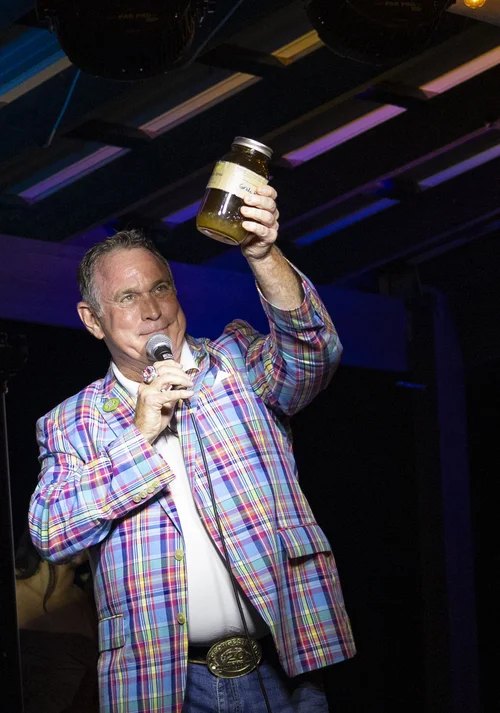
Special Forces is not the loudest unit in the Army. It is the one that works through the people who are already there. That turns out to be exactly the job.
A Special Forces mission starts with the end state and works back to the first step. A gala starts with the number the board expects and works back to who goes first at the top of the ladder, what the room needs to see before it is asked, and the order of the ninety minutes that decide it. I do not walk on stage and see what happens.
Nobody in Special Forces does anything important the first time in front of an audience. Your mission-moment speaker practices the last line, because the ask begins there. Your AV runs the ladder slides before doors open. Your chair confirms the lead gift one more time. The night feels effortless because it was not.
Green Berets are trained to advise, equip, and lead alongside a partner force rather than replace it. In a ballroom, the partner force is your table captains, your board, and the donor who agreed over coffee to go first. My job is to make it easy for them to lead their tables. A room gives to its own people; the auctioneer's job is to set that up and then get out of the way.
The video fails. The speaker runs long. A table leaves early. A twelve-person Special Forces team is built to keep the objective in view when the plan changes, without drama. That is the temperament you want holding a microphone when your number is on the line.
If your organization serves veterans or first responders, I would like to hear from you first.
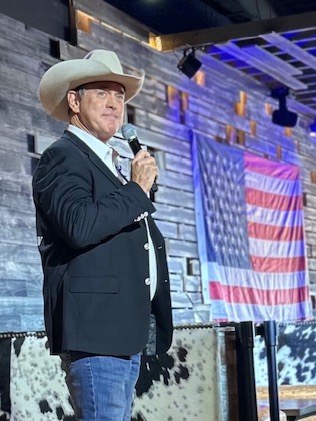
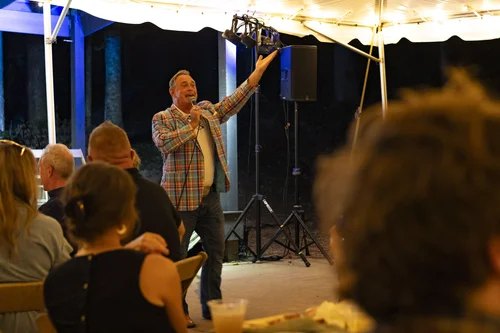
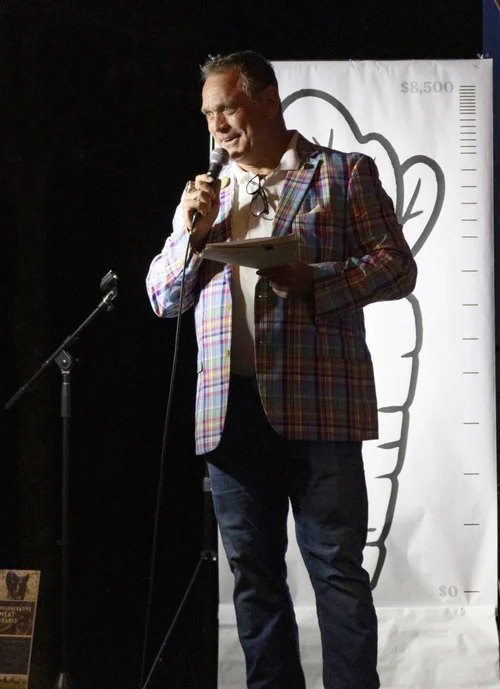
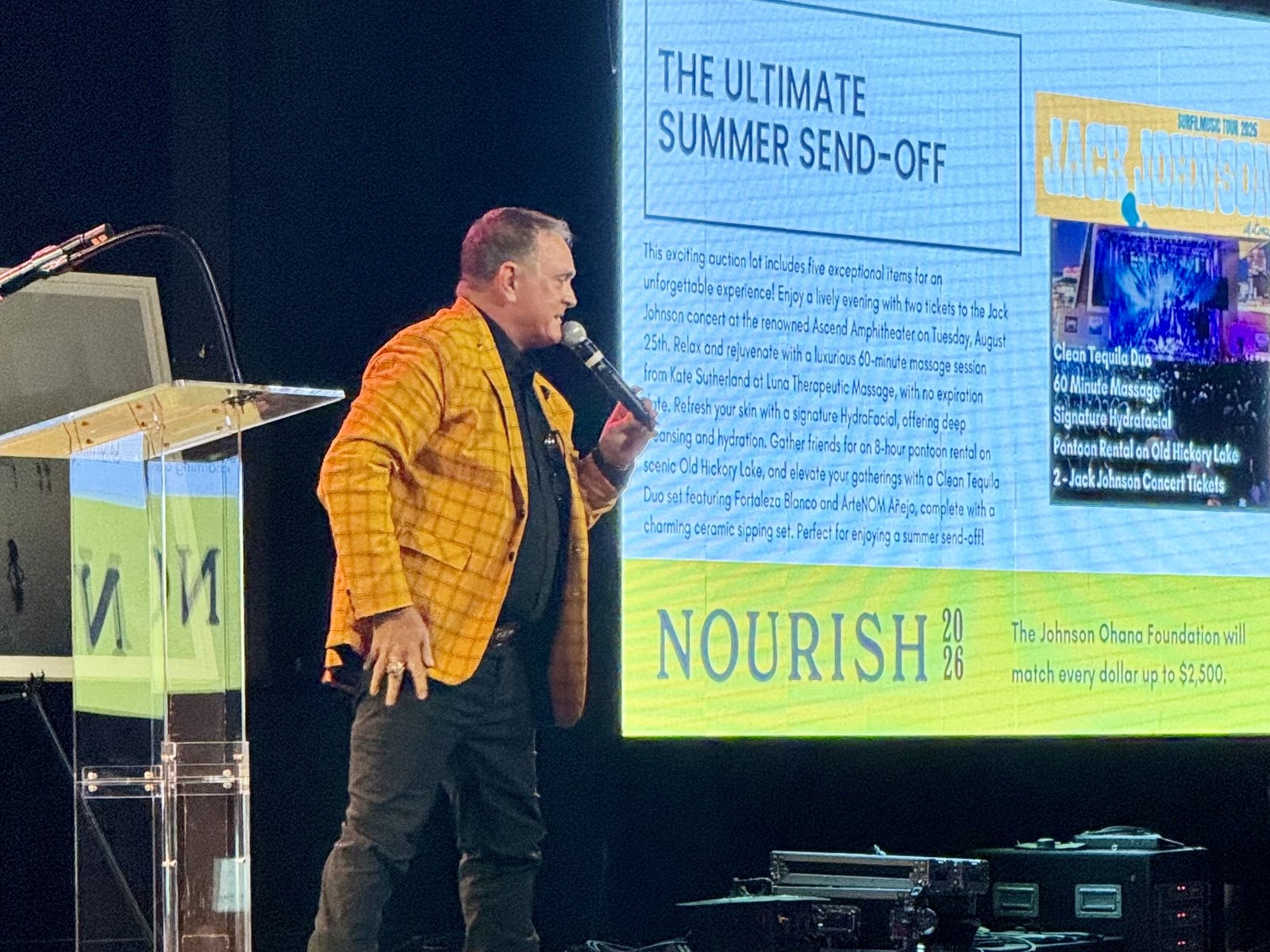
Left and center: an outdoor benefit, August 2026. Right: NOURISH 2026, The Nashville Food Project's annual benefit dinner, Marathon Music Works, Nashville, July 16, 2026.
Most of the work is in the six weeks before the event. Here is the shape of it.
Twenty minutes. Your date, your number, your run of show if you have one. I tell you what I would change and whether I am the right fit. No proposal is sent unless you ask for one.
Fund-a-need target and ladder set. Lead-gift conversation identified. Live items chosen and packaged. Run of show rebuilt around the mission moment.
Rehearsal with your emcee and AV. Table captains briefed. I arrive early, walk the room, and confirm the ladder with your chair before doors open.
The one-page checklist I use to review a gala program, from six weeks out to the moment the fund-a-need opens. Print it, mark it up, and send it back to me if you want a second set of eyes.
No. Honor Bids Group charges a flat fee, agreed in writing before the event. Your donors' gifts are not a revenue share for the person at the microphone.
Yes. Tennessee auctioneer license #7695, active through September 1, 2027. Tennessee requires a license for any auctioneer who is paid to call a charity auction. All credentials and documents are on one page.
Yes. Honor Bids Group is based in Nashville and serves nonprofits nationally. Travel is agreed as part of the flat fee, not added afterward.
No. I do the fundraising segment: the fund-a-need and the live auction, and the planning that makes them work. Your event planner and auction software handle the rest, and I work alongside them.
Six weeks is enough to do the work properly. Longer is better for spring galas, which cluster on the same Saturdays.
Your number, your date, a draft run of show, your live item list, and thirty minutes with whoever knows the top donors in the room. Everything else I can work around.
Yes. A fund-a-need does not need an auction, a gavel, or a black-tie room. It needs a story, a target, and someone who knows how to work a ladder from the front. It can be eight minutes long and it can be added to a breakfast, a luncheon, or a golf dinner.
Practical guidance on run of show, live auctions, and the fund-a-need. New post every Monday morning.
Most benefit auctions are lost in the program order, not on the bid card. A breakdown of the ninety minutes that decide what your gala raises.
Most galas run the live auction first and the fund-a-need last. Why that order costs you money, and how to change it without rewriting your program.
Item count, packaging, the ladder, table captains, and why the license matters in Tennessee.
Pick a time that works. It goes straight onto my calendar and you get a confirmation by email.
Bring your run of show if you have one. If you do not have one yet, bring the date and the number the board expects, and we will start there.
Prefer email or phone? todd.nichols@honorbids.com · 629-245-0320
The booking calendar will appear here once it is connected. Until then, use the email or phone at left.